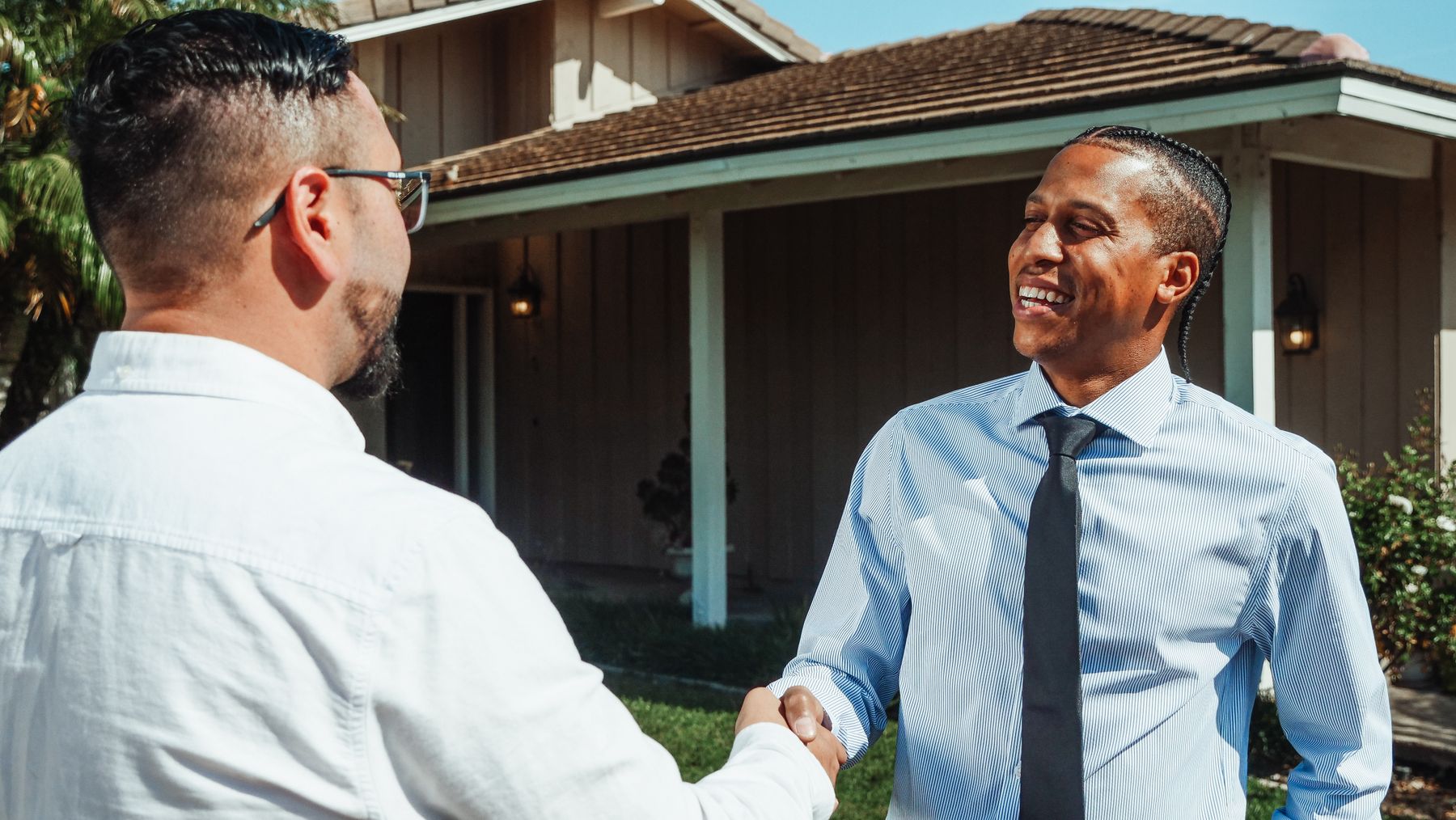
"Full-time YouTube creator 8 years. 2.4M subs, channel memberships, brand deals roughly weekly, affiliate networks across three verticals. Loan-Out S-corp set up four years ago with two editors and a manager on payroll. The first lender looked at my W-2 from the Loan-Out, refused to count the K-1 distributions, panicked at the 11 different 1099s from YouTube, Patreon, ShareASale, Amazon Associates, and individual brand deals, and offered $880K. Jim’s team aggregated the Loan-Out 1120-S, the K-1 distributions, all 11 1099s into a coherent multi-platform income picture, ran Form 1084 with proper team-payroll-as-business-expense treatment, and qualified the full $920K income. $2.4M close on a Coral Gables home with dedicated studio space."
Content creator mortgage from a lender who reads YouTube AdSense, Twitch subscriptions, TikTok Creator Fund, Patreon, brand sponsorships, affiliate commissions, course sales, and 1099-K platform deposits as one coherent income picture.
Working content creators carry an income file fragmented across more separate payers than any other profession in American mortgage qualifying. A single calendar year can include YouTube AdSense 1099-MISC from Google for ad revenue and channel memberships; Twitch 1099-MISC for subscriber splits, Bits, and ad revenue; TikTok Creator Fund 1099-MISC for platform payments; Patreon 1099-K for direct-to-fan subscription revenue; multiple brand sponsorship 1099-NECs for sponsored content deals; affiliate program 1099-MISCs from Amazon Associates, ShareASale, Impact, and direct brand affiliate relationships; course platform 1099-Ks from Teachable, Kajabi, Thinkific, or Gumroad; Shopify or Stripe 1099-Ks for direct merch and digital product sales; and speaking or appearance 1099-NECs from conferences and podcast tours. The 2017 Tax Cuts and Jobs Act permanently eliminated Schedule A miscellaneous itemized deductions (made permanent by OBBBA in July 2025), and creators with significant equipment, studio, and team costs route income through Loan-Out S-corps to preserve those deductions. Generalist lenders see a dozen different 1099s, panic, and decline. We read every platform deposit, every brand contract, and every Schedule C addback as a single qualifying picture.
Stairway Mortgage qualifies content creators on the full income picture — YouTube AdSense and channel memberships paid through Google AdSense; Twitch subscriber splits (50/50 standard or 70/30 for top streamers), Bits virtual currency, and ad revenue; TikTok Creator Rewards Program payments; Patreon, Substack, and direct-to-fan subscription revenue; multiple brand sponsorship deals from individual contracts; affiliate commissions from Amazon Associates, ShareASale, Impact, and direct brand affiliate relationships; course sales through Teachable, Kajabi, Thinkific, and Gumroad; merch revenue through Shopify, Spring, and direct e-commerce; podcast advertising from dynamic ad insertion and host-read sponsorships; speaking fees from conferences and brand events; and the Schedule C deductions for equipment, home studio, team costs, and platform fees that Form 1084 properly recovers. An emerging creator with a growing channel and small brand deals, a working full-time creator with multi-platform presence and recurring sponsorships, an established creator with a Loan-Out S-corp managing diversified revenue, a niche specialist with a course business as primary income, and a mega-creator running a multi-employee operation each get qualified using methods that fit their actual platform mix. We pick the right door before we quote. Or skip ahead: browse every loan program, run numbers on 100+ mortgage calculators, or check today's rates. For the parent hub and other creative earner paths, see our creative earners mortgage hub.
Key facts every content creator should know before applying for a mortgage.
Under Fannie Mae B3-3.3-02, most working content creators qualify as Schedule C sole proprietors with multi-platform 1099 aggregation. IRS Schedule C is the active business reporting framework for creator income.
The IRS 1099-K reporting threshold dropped to $5,000 for 2024 transactions and continues phasing down (currently $2,500 for 2025, target $600) per American Rescue Plan Act 2021. This means smaller platform deposits now trigger 1099-K reporting.
Under Fannie Mae B3-3.2-01 and IRC Section 1361, established creators past $300K-$500K typically migrate to Loan-Out S-corp structures for self-employment tax efficiency and to preserve deductions for equipment, team, and platform fees.
Under FTC Endorsement Guides, creators must disclose material connections in sponsored content. While this is a compliance issue not a mortgage one, clean FTC documentation strengthens the documentary trail for brand-deal income.
Content creator mortgage solutions for every career stage.
Each stage of a content creator career has its own qualifying logic. An emerging creator with a growing channel has a different mortgage path than an established creator running a multi-employee operation with a course business, or a niche specialist with Patreon-dominant recurring revenue.
Emerging creator (Years 1–3)
"Channel growing past monetization thresholds. Mix of platform revenue and small brand deals. Day-job income often still primary."
- Annual income $40K–$120K mix of AdSense + brand deals + day-job W-2
- YouTube Partner Program 1099-MISC plus 2-5 brand deal 1099-NECs
- Schedule C with home studio equipment and software deductions
- Conventional conforming with co-borrower often essential
Working full-time creator (Years 2–7)
"Multi-platform presence. 5-15 brand deals per year. Affiliate income growing. Approaching Loan-Out S-corp threshold."
- Annual income $120K–$400K mix of platforms + brand deals + affiliate
- Schedule C with Form 1084 cash-flow addbacks recovers heavy equipment deductions
- Bank-statement Non-QM bridges variable platform revenue months
- Conventional jumbo with 2-year Schedule C history
Established creator with Loan-Out
"Loan-Out S-corp set up. Small team (editors, manager). Diversified revenue. Multi-year audience trajectory documented."
- Annual income $400K–$2M through Loan-Out catching all platform revenue + brand deals + affiliate
- 2-year Loan-Out 1120-S history + K-1 distributions + reasonable-comp W-2
- Team payroll and equipment depreciation through corp
- Loan-Out S-corp Conventional jumbo with multi-platform documentation
Niche specialist / educator with course business
"Course sales via Teachable / Kajabi / Thinkific as primary revenue. Less algorithm-dependent. Predictable subscription/membership income."
- Annual income $200K–$1.5M through course platforms + community memberships + speaking
- Course/community revenue functions as predictable subscription annuity
- Less platform-algorithm dependence than ad-revenue creators
- Loan-Out S-corp or LLC with Schedule C depending on income tier
Mega-creator / business builder
"Multi-employee team. LLC plus S-corp plus sometimes C-corp structure. Significant accumulated wealth. May have raised investment."
- Annual income $2M–$50M+ through complex multi-entity structure
- Asset-depletion against accumulated post-tax wealth
- Multiple revenue streams: platforms, brand deals, courses, merchandise, ventures
- Super-jumbo Loan-Out or asset-depletion Non-QM
How we calculate qualifying income for your content creator mortgage.
Four methods cover almost every content creator file we’ve closed. The right method depends on your platform mix, Loan-Out structure, course-business presence, and team size.
Method 1 — Schedule C self-employed (the working-creator default)
For working content creators operating as sole proprietors. Under Fannie Mae B3-3.3-02, qualifying income equals 2-year average net Schedule C profit with Form 1084 addbacks for documented non-cash expenses (depreciation on cameras, lighting, computers, and recording equipment; Section 179 expensing; business-use-of-home for studio space; vehicle for location shoots and content trips; amortization on software and platform subscriptions). Most generalist lenders use Schedule C line 31 net profit and miss $20K–$80K of legitimate addbacks on a working creator’s return because production equipment investment is capital-intensive.
Method 2 — Loan-Out S-corp self-employed (the established-creator path)
For established creators with a Loan-Out S-corporation receiving multi-platform revenue, brand sponsorships, affiliate commissions, course sales, and speaking fees. Under Fannie Mae B3-3.2-01, qualifying income combines: (1) W-2 wages paid by the Loan-Out to the creator (reasonable compensation), plus (2) S-corp distributions reflected on Form 1120-S K-1 with 2-year history, plus (3) addback for documented non-cash expenses. Team payroll (editors, managers, virtual assistants) and equipment investment flow through the corp as business deductions. Typical Loan-Out migration threshold: $300K-$500K annual creator income.
Method 3 — Bank-statement Non-QM (the platform-deposit path)
For content creators with consistent monthly platform deposits but Schedule C deductions aggressive enough to depress conventional qualifying. Under CFPB Reg Z’s Ability-to-Repay rule, non-QM bank-statement programs qualify based on 12 or 24 months of personal bank deposits at 50–75% counting. Particularly useful for creators whose monthly YouTube AdSense, Twitch payouts, and platform deposits provide the cleanest documentation while Schedule C deductions for production equipment and team payroll suppress conventional qualifying.
Method 4 — Asset-depletion Non-QM (the mega-creator / wealth-tier path)
For established mega-creators with substantial post-tax reserves from accumulated platform revenue, brand deals, and possible investment events. Under non-QM rules, liquid reserves amortize over 360 months as implied monthly income. Bridges the volatility of algorithm-dependent platform revenue with predictable monthly qualifying. Common for creators with seven- and eight-figure annual revenue who’ve built accumulated reserves.
Which loan program fits your content creator mortgage situation.
Seven loan-program categories cover essentially every content creator file we’ve closed. The mix tilts heavily toward Schedule C Self-Employed (working creators) and bank-statement Non-QM (when monthly platform deposits tell the cleanest story), with Loan-Out S-corp Conventional dominating at the established and mega-creator tiers.
Schedule C Self-Employed Conventional
- Working creators as sole proprietors (majority of files)
- 2-year Schedule C with Form 1084 cash-flow addbacks
- Heavy equipment, home studio, and software deduction recovery
Loan-Out S-corp Conventional
- Established creators past $300K-$500K annual income
- 2-year 1120-S history + K-1 distributions + reasonable-comp W-2
- Team payroll and equipment investment through corp
Bank-Statement Non-QM
- Creators with steady monthly platform deposits
- 12 or 24 months of personal deposits at 50–75% counting
- Rate 0.5–1.0% higher than conforming
Asset-Depletion Non-QM
- Mega-creators with substantial accumulated wealth
- Liquid assets amortized over 360 months as implied income
- Bridges algorithm-dependent volatility with monthly qualifying
1099 Non-QM
- Creators with multi-platform 1099-heavy files
- 2-year aggregate 1099 history at consistent levels
- Useful when Schedule C deductions lower conventional qualifying
W-2 Variable Income Conventional
- Rare: creators with W-2 from platform employee positions
- Some institutional creator programs include W-2 elements
- 24-month aggregate average
Conventional Conforming
- Emerging creators with combined income at conforming tier
- 5–20% down, loan limits up to $766,550 (FL) for 2024-25
- Co-borrower income often essential at this stage
The content creator mortgage in context: 6 forces shaping how creators qualify.
Creator income sits at the intersection of platform algorithms, multi-platform diversification, evolving 1099-K reporting thresholds, FTC disclosure requirements, and the absence of a unified professional union framework that exists for actors, screenwriters, or musicians. Each force shapes what a working creator’s qualifying picture looks like.
Force 1 — The TCJA permanent suspension of W-2 employee business deductions
The 2017 Tax Cuts and Jobs Act eliminated the Schedule A 2% miscellaneous itemized deduction floor. The One Big Beautiful Bill Act (July 2025) made this suspension permanent. For creators with significant equipment, studio, software, and team costs, the structural workaround is to route income through a Loan-Out S-corporation under IRC Section 1361 or to operate as a Schedule C sole proprietor (avoiding the W-2-only TCJA limitation entirely).
Force 2 — The American Rescue Plan Act 1099-K threshold reduction
The 2021 American Rescue Plan Act reduced the IRS Form 1099-K reporting threshold from $20,000/200 transactions to $600 with no minimum. IRS implementation has phased: $5,000 for 2024, $2,500 for 2025, $600 target. The net effect: creators now receive 1099-Ks from significantly more platforms than before — PayPal business accounts, Patreon, Stripe, Shopify, course platforms. This documents creator income more comprehensively but creates additional aggregation work for mortgage underwriting.
Force 3 — Platform algorithm dependence as income volatility
Creator income is structurally dependent on platform algorithms (YouTube discoverability, TikTok For You Page, Instagram Reels distribution, Twitch front-page recommendations). Algorithm changes can shift revenue substantially within a quarter. The mortgage qualifying implication: 2-year averaging is essential to smooth this volatility, and multi-platform diversification documented across the 2-year history strengthens the file. Established creators typically maintain presence on 3-5+ platforms specifically to mitigate algorithm risk.
Force 4 — FTC endorsement disclosure requirements for brand deals
Under FTC Endorsement Guides, creators must disclose material connections in sponsored content (#ad, #sponsored, etc.). The FTC’s 2023 updated guides clarified disclosure requirements across platforms. While disclosure is a compliance issue not a mortgage one, clean FTC documentation strengthens the documentary trail for brand-deal income. Brand contracts typically reference FTC compliance, creating supporting documentation for the 1099-NEC income.
Force 5 — The absence of a unified creator professional body
Unlike actors (SAG-AFTRA), screenwriters (WGA), musicians (ASCAP/BMI/SESAC/GMR/MLC/AFM), or authors (Authors Guild), content creators have no unified professional union or rights-management body. This means: (1) no collective bargaining for platform revenue terms; (2) no standardized contract frameworks for brand deals; (3) no central royalty distribution mechanism. The mortgage qualifying implication: each platform’s documentation must be aggregated individually, and brand-deal income must be documented through individual contracts rather than industry-standard frameworks.
Force 6 — The IRC Section 199A QBI deduction for creator S-corps
Under IRC Section 199A, pass-through S-corp and Schedule C owners can deduct 20% of qualified business income. Content creation is generally a Specified Service Trade or Business (SSTB) subject to the phase-out between $191,950 and $241,950 for single filers (2024 thresholds; indexed annually). Above the phase-out, the deduction zeroes out for performing-arts and entertainment income. From a mortgage perspective, the QBI deduction reduces the AGI line some underwriters use for affordability calculations — we coordinate with the creator’s tax advisor to document the right number.
Content creator mortgage by career stage.
A timeline view of how the right mortgage program changes as you progress from emerging creator through working full-time creator to established Loan-Out or mega-creator with multi-employee operations.
Emerging creator
Comp profile: $40K–$100K mix of platform monetization, occasional brand deals, and day-job W-2. Dominant qualifying method: 2-year Schedule C + W-2 average, often with co-borrower. Common purchase: $250K–$500K primary residence. Watch-out: First-year platform monetization revenue is often heavily front-loaded with equipment deductions, depressing Schedule C net profit — Form 1084 addbacks restore qualifying.
Working full-time creator
Comp profile: $150K–$400K through Schedule C combining multi-platform revenue, 5-15 brand deals annually, growing affiliate commissions, and emerging course or product sales. Dominant qualifying method: 2-year Schedule C with Form 1084 cash-flow recalculation, possibly Bank-Statement Non-QM for cleaner platform deposit story. Common purchase: $600K–$1.1M primary residence. Watch-out: Platform algorithm changes can shift revenue 30-50% within a single quarter — document the 24-month pattern to show overall continuity.
Established creator with Loan-Out
Comp profile: $400K–$2M through Loan-Out S-corp combining multi-platform revenue, recurring brand partnerships, affiliate networks, course business, and growing speaking/event income. Dominant qualifying method: Loan-Out S-corp self-employed analysis with 2-year 1120-S history. Common purchase: $1M–$2.5M primary residence. Watch-out: Team payroll through the corp is significant business expense — Form 1084 doesn’t add team payroll back (it’s a real cash cost). Position the file to show net income after team is still strong.
Mega-creator / business builder
Comp profile: $2M–$50M+ through multi-entity structure (LLC + S-corp + sometimes C-corp), often with raised investment, multi-employee operation, and diversified revenue across platforms, courses, merchandise, ventures, and live events. Dominant qualifying method: Loan-Out S-corp jumbo or super-jumbo with asset-depletion complement against accumulated reserves. Common purchase: $2M–$25M+ primary residence, often additional investment properties. Watch-out: Complex multi-entity structures require careful documentation — surface all entities and their interrelationships up front.
What content creators say about their Stairway mortgage.
Names abbreviated for client privacy. Channel and platform identities anonymized. Numbers are real.
"Niche-specialist creator in financial education. Smaller audience (380K Instagram, 220K YouTube) but high-engagement community. Primary revenue is the course business on Kajabi plus a paid membership community. Annual revenue around $620K, mostly recurring subscription. The big bank ran my Schedule C and called the course income 'platform-dependent and volatile.' They offered $560K. Jim treated the course revenue as recurring subscription income with documented 2-year history, used Form 1084 to recover legitimate software and home office deductions. $1.15M close on a Wilton Manors home."
"Working full-time creator across YouTube, TikTok, Instagram, and a weekly podcast. Year 5 of full-time. Revenue $280K split across platform monetization (40%), brand deals (35%), affiliate commissions (20%), and podcast sponsorships (5%). Eight different 1099 payers in 2024. The first lender saw the 1099 count and gave up — just wouldn’t engage. Jim’s team aggregated all 8 1099s under Schedule C self-employed, ran Form 1084 with proper equipment depreciation addbacks, captured the affiliate income as continuing under B3-3.3-02. $740K close on a Plantation home with a converted podcast studio."
Content creator mortgage questions, answered.
More content creator mortgage resources at Stairway
More on content creator mortgages, multi-platform income, and Loan-Out structures.
Other creative paths
Loan-program details
Calculators & tools
Sources & further reading.
IRS & tax guidance
- IRS Form 1099-K — Payment Card & Third-Party Network Transactions
- IRS Form 1099-MISC — Miscellaneous Income (platform royalty)
- IRS Form 1099-NEC — Nonemployee Compensation (brand deals)
- IRS Schedule C — Profit or Loss from Business
- IRS Form 1120-S — S-Corporation Income Tax Return (Loan-Out)
- IRS — Section 199A QBI deduction (SSTB phase-out)
FTC endorsement & disclosure
Cornell Law — statutory references
Mortgage program guidelines
- Fannie Mae B3-3.3-02 — Income Analysis Self-Employed (Schedule C)
- Fannie Mae B3-3.2-01 — Self-Employed Borrower (Loan-Out S-corp)
- Fannie Mae B3-3.1-01 — Variable Income
- Fannie Mae B3-3.1-09 — Other Sources of Income
- Freddie Mac — Income Documentation Guide
- CFPB Regulation Z — Ability-to-Repay (Non-QM)
- Federal Housing Finance Agency (FHFA)
BLS & legislation
- BLS OOH — Media and Communication Occupations
- BLS OEWS — Multimedia Artists and Animators SOC 27-1014
- BLS OOH — Multimedia Artists and Animators
- Congress.gov — Tax Cuts and Jobs Act 2017 HR 1
- Congress.gov — American Rescue Plan Act 2021 HR 1319 (1099-K threshold)
- Congress.gov — One Big Beautiful Bill Act 2025 HR 1
Content creator mortgage, structured right.
Established full-time YouTube creator with eight years of consistent audience growth (current 2.4M subscribers across two channels), Loan-Out S-corporation formed four years ago with two video editors and a manager on payroll. Annual income through the Loan-Out: $920K split across $180K reasonable-comp W-2 from the corp to the creator, $510K in K-1 distributions covering YouTube AdSense, channel memberships, brand sponsorships, and affiliate network commissions, $130K in direct-to-brand sponsorship deals, $60K in Patreon and Substack subscription revenue, $25K in conference speaking fees, and $15K in merch revenue through Shopify. Eleven different 1099 payers in the year. The first lender looked at the $180K W-2 from the Loan-Out, refused to count the K-1 distributions, panicked at the 11 different 1099 payers, and offered $880K maximum. We pulled the Loan-Out 1120-S, the K-1 distributions, all 11 1099s from YouTube AdSense, Twitch, Patreon, Substack, ShareASale affiliate network, Amazon Associates, four individual brand sponsors, Shopify merch, and a conference speaking bureau, plus the brand contracts showing recurring relationships. Ran the Loan-Out through Fannie Mae B3-3.2-01 self-employed analysis with Form 1084 addbacks (equipment depreciation, home studio, software amortization — team payroll is real cash cost, not added back), aggregated all 11 1099s into a coherent multi-platform income picture, treated affiliate commissions as recurring continuing income under B3-3.3-02, and documented brand-deal continuity through 2-year recurring relationships. Total qualifying income: $920K. Approved at $2.4M conventional jumbo for a Coral Gables home with dedicated studio space. Closed in 39 days. The income was all there from day one — the first lender just didn’t know how to read a multi-platform creator file.
Get a content creator mortgage from a lender who reads platform statements, brand contracts, affiliate dashboards, and course platform reports as one file.
No application. No credit pull. A 20-minute conversation where we look at your YouTube AdSense statements, Twitch payouts, TikTok Creator Fund deposits, Patreon distributions, brand sponsorship contracts, affiliate program reports, course platform sales (Teachable, Kajabi, Gumroad), Loan-Out S-corp 1120-S if you have one, and accumulated reserves — then we tell you which loan program fits and roughly what the numbers look like. If we’re not the right shop, we’ll tell you that too.
Stairway Mortgage is a division of NEXA Mortgage LLC. Jim Blackburn NMLS #1072866.