


Is Income from a Reverse Mortgage Taxable? IRS Treatment Explained
“Do I have to pay taxes on reverse mortgage money?” This critical question affects retirement planning decisions profoundly—because the answer determines your actual purchasing power and overall tax strategy. The short answer brings welcome relief: reverse mortgage proceeds are not taxable income. But understanding why, how this affects other benefits, and strategic implications for retirement planning requires deeper exploration. From IRS loan advance treatment to Social Security taxation thresholds, from Medicare premium calculations to proper tax reporting, each aspect deserves careful consideration for optimal retirement income strategy.
In this guide, you’ll discover:
- Why reverse mortgage proceeds are tax-free (per IRS loan advance treatment)
- Impact on Social Security benefit taxation
- Medicare premium considerations and IRMAA thresholds
- Medicaid eligibility implications for need-based benefits
- Interest deduction rules for heirs (following IRS mortgage interest guidelines)
- Proper tax reporting and documentation requirements
- Strategic integration with retirement income planning
Questions about tax implications? Schedule a consultation to discuss your complete tax picture.
Reverse Mortgage Tax Implications: Why Proceeds Are Tax-Free
How does the IRS treat reverse mortgage money? As loan advances, not income—creating significant tax advantages for retirees seeking to supplement cash flow.
The Loan Advance Principle
What makes reverse mortgages tax-free? You’re borrowing against your home equity, not earning income. Just as you don’t pay taxes on funds from traditional mortgages, HELOCs, or other loans, reverse mortgage proceeds are non-taxable loan advances.
IRS perspective: The money represents debt you’ll eventually repay (when you sell, move, or pass away)—not earnings or gains subject to income tax.
This applies to all reverse mortgage structures:
- Lump sum payments
- Monthly tenure or term payments
- Line of credit draws
- Combination approaches
Regardless of payment method, reverse mortgage proceeds are 100% tax-free.
Comparison with Taxable Retirement Income
Why does this matter? Consider purchasing power differences:
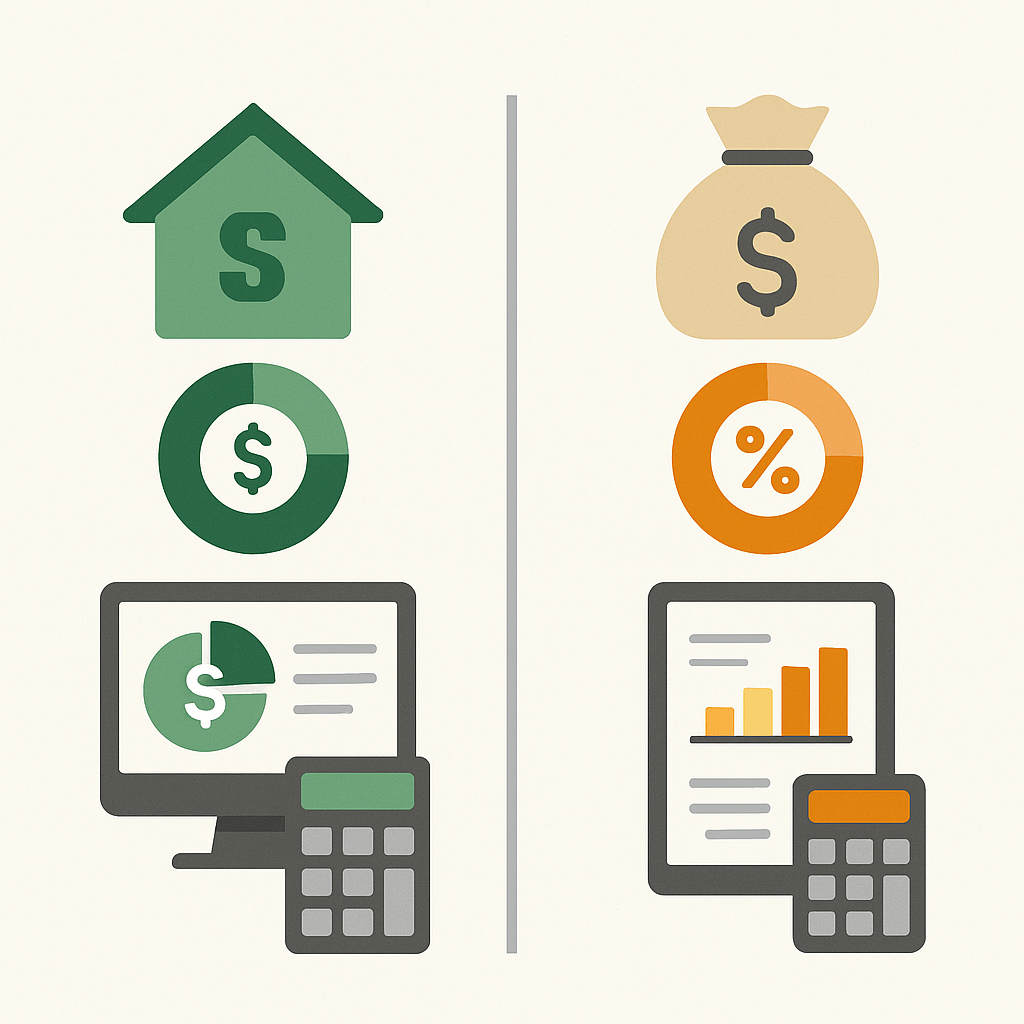
Reverse mortgage (tax-free):
- $2,000/month received = $2,000/month spendable
- Full amount available for living expenses
- No tax withholding required
- No quarterly estimated tax payments
IRA/401(k) withdrawal (taxable):
- $2,000/month withdrawal ≠ $2,000/month spendable
- Federal and state taxes reduce amount
- If in 22% tax bracket: approximately $1,560/month after federal tax
- Possible state taxes further reduce amount
- Must plan for tax payments
The tax-free advantage: Reverse mortgage proceeds provide more purchasing power per dollar than equivalent taxable retirement account withdrawals.
See how this worked in a reverse mortgage income case study for tax-efficient retirement funding.
Reverse Mortgage Social Security: Impact on Benefit Taxation
Will reverse mortgage proceeds affect my Social Security? Great news—they won’t increase your Social Security benefit taxation or reduce your benefit amount.
No Impact on Benefit Amounts
Does reverse mortgage income reduce Social Security? No. Your Social Security retirement benefit amount is determined by your lifetime earnings history and claiming age—reverse mortgage proceeds don’t factor into this calculation.
You receive your full entitled Social Security benefit regardless of:
- Reverse mortgage lump sums
- Monthly reverse mortgage payments
- Line of credit draws
- Total reverse mortgage balance
Social Security Taxation Thresholds
Could reverse mortgage income make more of my Social Security taxable? No—because reverse mortgage proceeds don’t count as income when calculating provisional income thresholds.
Social Security taxation basics:
- If provisional income exceeds certain thresholds, up to 85% of benefits become taxable
- Provisional income = adjusted gross income + tax-exempt interest + half of Social Security benefits
- Reverse mortgage proceeds are NOT included in provisional income
Example scenario:
- Social Security benefits: Moderate annual amount
- Pension income: Moderate annual amount
- Reverse mortgage: Additional annual amount
- Provisional income calculation: Social Security + pension (reverse mortgage NOT included)
Result: Reverse mortgage doesn’t push you into higher Social Security taxation brackets.
Strategic advantage: Unlike IRA withdrawals or part-time work income (which increase provisional income and potentially cause more Social Security taxation), reverse mortgages provide supplemental cash flow without tax consequences.
Reverse Mortgage Medicare Impact: Premium Considerations
Will reverse mortgage affect my Medicare premiums? No—reverse mortgage proceeds don’t increase Medicare Part B or D premiums because they’re not counted as income.
How Medicare Premiums Are Calculated
What determines Medicare premium amounts? Modified Adjusted Gross Income (MAGI) from two years prior determines whether you pay standard premiums or higher Income-Related Monthly Adjustment Amounts (IRMAA).
MAGI includes:
- Wages and self-employment income
- Taxable Social Security benefits
- Pension and retirement account distributions
- Investment income (dividends, capital gains, interest)
- Rental income
MAGI does NOT include:
- Reverse mortgage proceeds
- Return of principal from investments
- Roth IRA distributions (if qualified)
- Life insurance proceeds
- Gifts and inheritances
Avoiding IRMAA Surcharges
What are IRMAA surcharges? When MAGI exceeds thresholds, Medicare Part B and D premiums increase significantly through Income-Related Monthly Adjustment Amounts.
Standard Medicare Part B premium: Base amount (updated annually)
IRMAA surcharges (if MAGI exceeds thresholds):
- Higher income brackets pay substantially more
- Can add hundreds per month to premiums
- Based on tax return from two years prior
Strategic benefit: Reverse mortgage provides cash flow without increasing MAGI, helping you avoid or minimize IRMAA surcharges that traditional retirement account withdrawals could trigger.
Example scenario:
- Married couple approaching IRMAA threshold
- Need additional income for living expenses
- Options: Withdraw from IRA (increases MAGI, potentially triggers IRMAA) OR use reverse mortgage (no MAGI impact)
- Reverse mortgage preserves lower Medicare premiums
Learn about reverse mortgage payment options for tax-efficient retirement income.

Reverse Mortgage Medicaid: Need-Based Benefit Considerations
Does reverse mortgage affect Medicaid eligibility? This requires careful consideration—proceeds themselves aren’t income, but retained funds could affect asset-based eligibility.
Understanding Medicaid Asset Limits
What is Medicaid and why does it matter? Medicaid provides crucial long-term care coverage for eligible seniors, but qualification includes strict asset limits (typically a few thousand dollars for individuals, slightly higher for couples).
The critical distinction:
- Receiving reverse mortgage proceeds ≠ income (doesn’t disqualify)
- Keeping reverse mortgage proceeds in the bank = countable asset (could disqualify if over limit)
The Spend-Down Strategy
How can you use reverse mortgage while maintaining Medicaid? Spend proceeds immediately on allowable expenses:
Permitted expenditures (typically):
- Home modifications and repairs
- Medical expenses and equipment
- Dental and vision care
- Prepaid burial/funeral arrangements
- Outstanding debts
- Current living expenses
The key: Use funds within the month received, preventing asset accumulation above Medicaid thresholds.
Monthly Payment Advantage
Which reverse mortgage structure works best? For Medicaid recipients:
Monthly tenure/term payments:
- Receive funds regularly
- Spend each month’s payment on current expenses
- Avoid accumulating large asset balances
- Easier to maintain eligibility
Lump sum:
- Creates large asset balance immediately
- Must spend down quickly
- More complex Medicaid planning required
Line of credit:
- Draw only what you need when needed
- Undrawn credit doesn’t count as asset
- Provides flexibility
CRITICAL: Consult Medicaid eligibility specialist before proceeding with reverse mortgage if you receive or anticipate needing Medicaid. State rules vary, and proper planning prevents benefit loss.
Tax on Reverse Mortgage: Interest Deductibility for Heirs
Can you deduct reverse mortgage interest? During your lifetime, generally no—but heirs who inherit may have deduction opportunities.
Interest Deduction Rules
Why can’t borrowers typically deduct interest? Tax law requires actually paying interest to claim deductions. Since reverse mortgages don’t require monthly payments, interest accrues but isn’t paid—making it non-deductible during the borrower’s lifetime.
Exception: If you make voluntary payments toward interest (some reverse mortgages allow this), those payments may be deductible if you itemize deductions and meet mortgage interest deduction requirements.
Heir Deduction Opportunities
What about heirs who inherit? When heirs assume or pay off the reverse mortgage:
If heirs keep the home:
- Can potentially refinance reverse mortgage into traditional mortgage
- Going forward, interest on new mortgage may be deductible
- Subject to standard mortgage interest deduction rules and limitations
If heirs sell the home:
- Interest paid as part of loan payoff may affect capital gains calculation
- Consult tax professional for specific situation
Important limitation: Mortgage interest deduction rules changed significantly in recent years:
- Home acquisition debt limits apply
- Home equity debt interest generally not deductible (unless used for home improvements)
- Must itemize deductions (standard deduction often exceeds itemized deductions)
For official guidance, see IRS mortgage interest deduction rules.
Do You Pay Taxes on Reverse Mortgage? Reporting Requirements
What tax forms are involved? Minimal reporting required—reverse mortgages are simpler than most retirement income sources.
What You Receive
Tax form expectations:
You will NOT receive:
- Form 1099-MISC (not miscellaneous income)
- Form 1099-INT (interest received)
- Form 1099-R (retirement distribution)
- W-2 (not wages)
You WILL receive:
- Form 1098 (mortgage interest statement) showing interest accrued
- Note: This reports interest to IRS but doesn’t mean you paid it or can deduct it
What You Report
Tax return requirements:
On your Form 1040:
- Do NOT report reverse mortgage proceeds as income
- Do NOT include in gross income calculation
- Generally no special reverse mortgage reporting required
Record keeping:
- Maintain reverse mortgage statements
- Track proceeds received (for your records, not tax reporting)
- Keep closing documents
State Tax Considerations
Do states treat reverse mortgages differently? Most states follow federal treatment (tax-free), but confirm with your state tax authority or tax professional.
Generally tax-free in all states, but verify:
- State income tax treatment
- Property tax implications (ongoing obligation regardless)
- Estate/inheritance tax considerations (for heirs)

Reverse Mortgage Tax Treatment: Strategic Retirement Planning
How should reverse mortgages fit your tax strategy? Consider integration with overall retirement income sources for optimal tax efficiency.
Tax Diversification Strategy
Why tax diversification matters: Having income sources with different tax treatments provides flexibility optimizing annual tax burden.
Income source tax treatment:
- Traditional IRA/401(k): Fully taxable as ordinary income
- Social Security: Up to 85% taxable depending on provisional income
- Roth IRA: Tax-free (if qualified distributions)
- Taxable investments: Capital gains rates (often lower than ordinary income)
- Reverse mortgage: Completely tax-free
Strategic approach:
- Use reverse mortgage during high-income years (reducing taxable withdrawals)
- Coordinate with Social Security claiming strategy
- Balance Roth conversions with reverse mortgage income
- Minimize IRMAA Medicare surcharges
Sequence of Withdrawals
What order should you tap retirement resources?
Common strategy:
- Required Minimum Distributions (must take)
- Social Security (optimized for lifetime benefit)
- Reverse mortgage (tax-free supplement)
- Taxable account withdrawals (preferential tax rates)
- Tax-deferred account strategic withdrawals
- Roth accounts (preserve for later/legacy)
Adjust based on:
- Annual tax brackets
- Medicare premium thresholds
- Required spending needs
- Market conditions (avoid selling in downturns)
Portfolio Protection Strategy
How can reverse mortgage protect retirement accounts? During market downturns:
Traditional approach (risky):
- Market drops 30%
- Still need retirement income
- Sell investments at depressed prices
- Lock in losses, reduce recovery potential
Reverse mortgage buffer:
- Establish line of credit or monthly payments
- During bear markets: Use reverse mortgage income
- Pause or reduce portfolio withdrawals
- Allow investments time to recover
- Resume normal withdrawals when markets stabilize
This “standby reverse mortgage” strategy significantly improves long-term portfolio sustainability by avoiding sequence-of-returns risk.
See reverse mortgage strategies for portfolio protection examples.
How Stairway Mortgage Helps with Tax-Efficient Planning
At Stairway Mortgage, we recognize reverse mortgages represent one component of comprehensive retirement tax strategy—not standalone solutions.
Coordinated Planning Approach
We help you consider:
- Integration with other retirement income sources
- Timing relative to Social Security claiming
- Medicare premium impact analysis
- Medicaid eligibility preservation (if applicable)
- Overall tax bracket management
Professional Collaboration
We encourage working with:
- Your CPA or tax professional (specific tax advice)
- Financial advisor (comprehensive retirement planning)
- Benefits specialist (if receiving need-based assistance)
- Estate attorney (inheritance and legacy planning)
We coordinate with your advisors: Providing loan details, answering technical questions, ensuring everyone understands reverse mortgage tax treatment.
Education and Transparency
We ensure you understand:
- Why proceeds are tax-free
- What reporting is (and isn’t) required
- How reverse mortgages interact with benefits
- Strategic timing considerations
- Long-term tax implications
Ready to explore tax-efficient retirement income? Schedule a consultation or get pre-qualified to discuss your situation.
Ready to Understand Your Complete Tax Picture?
The tax-free nature of reverse mortgage proceeds provides significant advantages for retirement income planning—but only when properly integrated with your overall strategy.
You now understand:
- Why reverse mortgage proceeds are completely tax-free
- No impact on Social Security benefits or taxation
- No effect on Medicare premiums (avoiding IRMAA)
- Medicaid considerations requiring spend-down planning
- Interest deductibility limitations (minimal during lifetime)
- Simplified tax reporting requirements
- Strategic integration opportunities with retirement planning
Your next steps:
- Consult your tax professional – Discuss specific situation and verify state treatment
- Review benefit impacts – If receiving Medicaid/SSI, plan spend-down strategy
- Model tax scenarios – Compare reverse mortgage versus IRA withdrawals
- Consider Medicare thresholds – Calculate MAGI impact of different income sources
- Evaluate timing – Coordinate with Social Security and retirement account strategies
- Schedule consultation – Talk with Stairway about tax-efficient implementation
The tax-free advantage of reverse mortgages provides more purchasing power per dollar than most retirement income sources—making them powerful tools for tax-efficient retirement funding when properly understood and strategically deployed.
Frequently Asked Questions
Are monthly reverse mortgage payments taxable income?
No, monthly reverse mortgage payments are not taxable income regardless of payment amount or frequency. The IRS treats all reverse mortgage proceeds—whether lump sum, monthly payments, or line of credit draws—as non-taxable loan advances rather than income. You receive the full monthly amount without tax withholding, don’t include it in gross income on tax returns, and owe no income taxes on reverse mortgage funds. This tax-free treatment applies even if you receive substantial monthly payments for many years. The tax treatment is identical whether you receive payments for five years or thirty years—completely tax-free throughout.
Do I get a tax form for my reverse mortgage?
You’ll receive Form 1098 annually showing interest that accrued on your reverse mortgage loan, but this doesn’t mean you paid the interest or can deduct it. Lenders send Form 1098 to report mortgage interest to the IRS, but since you’re not making monthly payments, you haven’t actually paid interest—it simply accrues and adds to your loan balance. You cannot deduct this accrued interest on your tax return because tax law requires actually paying interest to claim deductions. You do NOT receive Form 1099 reporting reverse mortgage proceeds as income. The Form 1098 is informational and doesn’t require any action on your tax return beyond retaining it with your records.
Will reverse mortgage income affect my taxes if I’m still working?
If you’re still working past age 62 and take a reverse mortgage, the proceeds remain tax-free regardless of your employment income. Your wages are taxed normally, and reverse mortgage proceeds aren’t added to your taxable income. However, if you’re working, consider whether you actually need a reverse mortgage—employment income may provide adequate cash flow without tapping home equity. Reverse mortgages typically make most sense for retirees with limited income, not working individuals with W-2 wages. That said, some people approaching retirement use reverse mortgages strategically to delay Social Security claiming (maximizing lifetime benefits) while supplementing income tax-free during working-to-retired transition years.
Can using a reverse mortgage help me stay in a lower tax bracket?
Yes—reverse mortgage proceeds can help you stay in lower tax brackets by reducing the need for taxable retirement account withdrawals. For example, if you need additional income but taking more from your IRA would push you into a higher tax bracket, using reverse mortgage funds instead keeps you in the lower bracket (since reverse mortgage doesn’t count as income). This strategy also helps avoid or minimize Medicare IRMAA surcharges triggered by exceeding MAGI thresholds. Many retirees use reverse mortgages specifically for this tax-bracket management, supplementing income tax-free during years when IRA withdrawals would be expensive, then potentially taking larger (and taxed) IRA distributions in lower-income years.
What happens to the interest on my reverse mortgage for tax purposes?
Interest on your reverse mortgage accrues and adds to your loan balance but isn’t deductible during your lifetime because you’re not paying it. Tax law requires actually paying interest to deduct it, and reverse mortgages don’t require payments—the interest simply compounds over time. When heirs eventually pay off the loan (through sale or refinance), the accumulated interest is part of the total loan payoff but generally isn’t deductible by heirs either under current tax law (home equity interest typically isn’t deductible unless used for home improvements). Some people make voluntary interest payments (if their loan allows) specifically to generate current deductions, but this defeats the purpose of eliminating monthly payments. Consult your tax advisor about interest deductibility specific to your situation.
Also Helpful for Senior Homeowners
- Reverse Mortgage Income Options – Monthly payment structures
- Reverse Mortgage Calculator – Model tax-free income scenarios
- HELOC Comparison – Alternative equity access with payments
What’s Next in Your Journey?
- Retirement Income Strategy – Integrating reverse mortgages with Social Security and investments
- Medicare Planning – Avoiding IRMAA surcharges through income management
- Portfolio Protection – Using reverse mortgages during market downturns
Explore Your Complete Options
- All Loan Programs – Find retirement financing
- Success Stories – See tax-efficient strategies in action
- IRS Mortgage Interest Rules – Official tax guidance
- Get Pre-Qualified – Start your application
- Schedule Consultation – Discuss tax implications